Wine knowledge
Fruit wine in Bulgaria
~6 min read · 18+ · Please drink responsibly · На български
Short answer
Bulgaria has a long domestic tradition of fruit wine and fruit distillates, but almost none of it reaches a commercial shelf in a dry, gastronomic style. Raspberry, cherry, apple and strawberry are the four fruits that actually get bottled — and the difference between them is mostly a difference in acid.
Why Bulgaria makes fruit wine at all
Bulgaria is a serious grape-wine country — Mavrud, Rubin, Melnik and Dimyat are indigenous varieties with real history behind them. Fruit wine exists alongside that rather than instead of it, and it comes from the same place the country's rakia tradition does: households with orchards, and more fruit in a good year than anyone could eat.
What is rare is a producer taking that household tradition and making it dry. The domestic version is almost always sweet, because sugar hides a multitude of sins and because sweet is what the tradition expects. The commercial versions that reach supermarkets are usually sweeter still.
The four fruits that get bottled
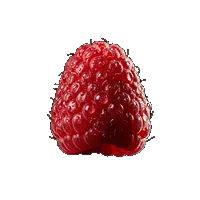
Raspberry. The most aromatic and the most acidic. High acid is what lets a raspberry wine finish dry without tasting hollow, which is why it is the fruit best suited to a serious style. It is also the most expensive to work with — raspberries bruise easily and yield little juice.
Cherry. Deeper colour, lower acid, and a pronounced almond note from the stones when they are left in. Usually made sweeter than raspberry, and often closer in style to a dessert wine.
Apple. The closest to cider in character. Light, crisp, and heavily dependent on the variety of apple — a dessert apple gives something thin, a cider apple gives structure.
Strawberry. The hardest to make well. Strawberry aroma is fragile and largely does not survive fermentation, so a strawberry wine that smells strongly of strawberry has usually had help.
How to tell a real fruit wine from a flavoured one
The label is where this is decided, and it takes about ten seconds.
Read the base. If the ingredients list names grape wine or grape must, the fruit is a flavouring. A true fruit wine lists the fruit as the base and nothing else fermentable.
Look for added water. Water in the list means the must was diluted to stretch it. That is a volume decision, and it shows in the glass.
Look for grape spirit. Added alcohol means fermentation was stopped early to leave residual sugar. It is a legitimate technique for a fortified style, but it is not a dry wine and will not taste like one.
Check the alcohol. A fully fermented fruit wine usually lands between 9% and 12%. Much higher than that, without fortification, is unlikely from fruit alone.
Where G. Filipoff sits
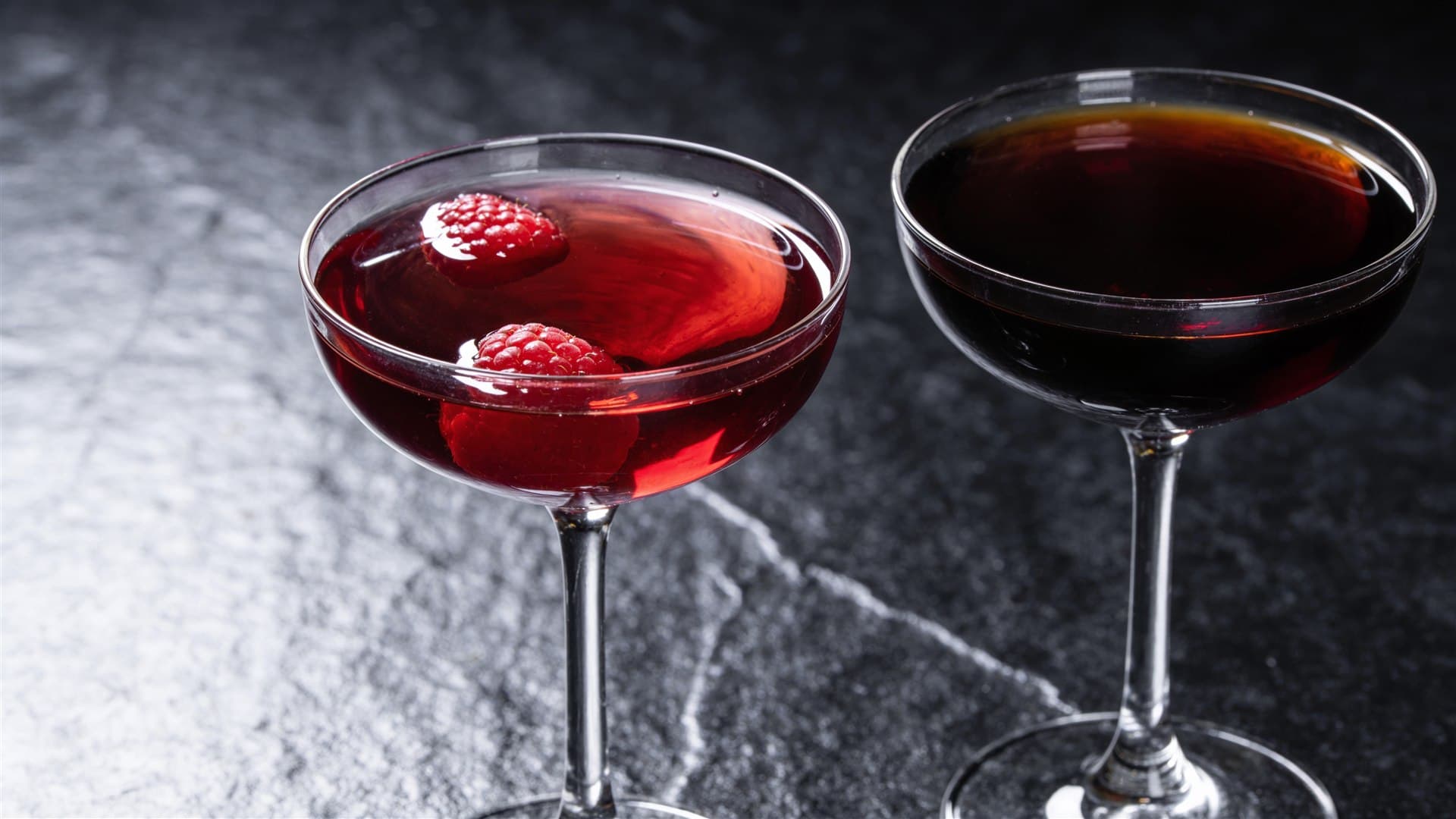
The 100% Raspberry Wine ferments entirely from fresh raspberries — no added water, no grape spirit — and finishes dry to off-dry at around 10.5% ABV. The fruit is hand-picked at roughly 800 metres in the Rhodope Mountains, which is where the acidity comes from.
Raspberry & Mavrud goes a step further and blends the fruit wine with Mavrud, Bulgaria's indigenous red grape. That gives it the tannic structure a pure fruit wine cannot have, and makes it the one bottle in the range that behaves like a red at the table.
The winery holds a silver medal from Vinaria 2023, Bulgaria's national wine competition. The award belongs to the brand rather than to any single bottling.
Frequently asked
Is fruit wine popular in Bulgaria?
As a domestic, household tradition, yes — alongside rakia, the fruit distillate. As a commercial category in a dry, gastronomic style, it is very small; most bottled Bulgarian fruit wine is sweet.
What fruit wines are made in Bulgaria?
Raspberry, cherry, apple and strawberry are the four that reach bottles with any regularity. Raspberry is the most aromatic and the highest in acid, which makes it the best suited to a dry style.
Is Bulgarian fruit wine sweet?
Usually, but not necessarily. The sweetness comes from stopping fermentation early rather than from the fruit. The G. Filipoff range is fermented out to dry or off-dry.
What is Mavrud?
Bulgaria's signature indigenous red grape variety, grown in the Thracian Lowlands — deeply coloured and firmly tannic. It is blended with raspberry wine in the Raspberry & Mavrud bottling.
Is fruit wine the same as rakia?
No. Fruit wine is fermented and sits around 10–12% ABV. Rakia is distilled from the fermented fruit and is far stronger. G. Filipoff makes both from raspberries.